
Behaviour
7 Common Kitten Mistakes and How to Avoid Them
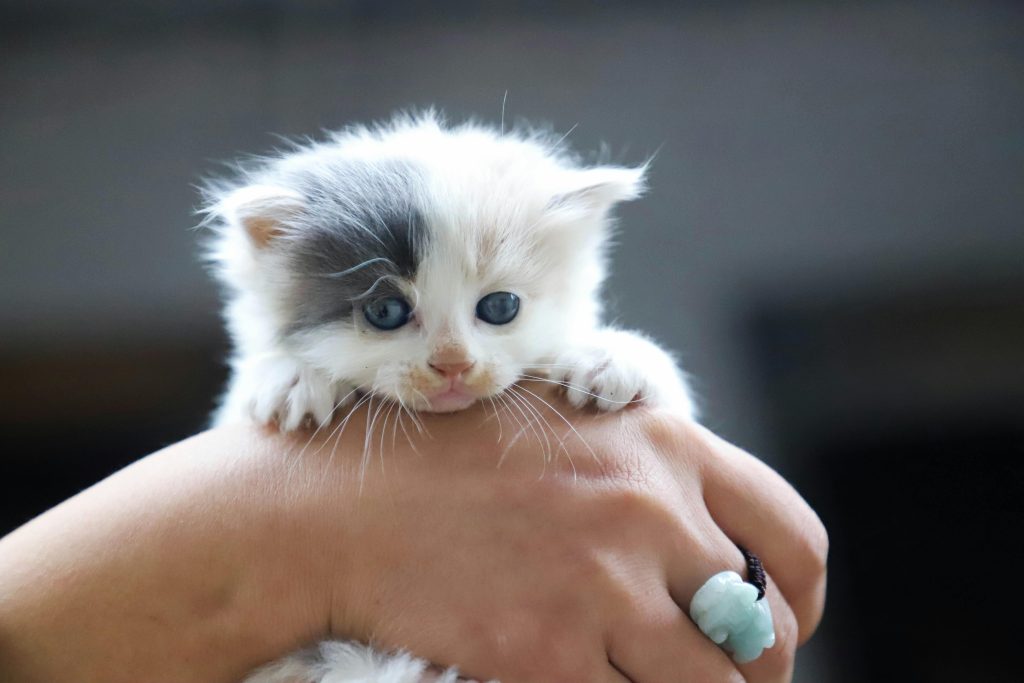
New kitten owners often make innocent mistakes without realizing the long-term effects on their feline friend. Learning what to do — and what not to do — can help you avoid issues down the road. Let’s explore 7 common kitten mistakes and how to avoid them.
1. Not Visiting the Vet Early Enough
Many people wait too long to take their kitten to the vet. However:
- Early check-ups ensure your kitten is healthy.
- Vets can set up a proper vaccination and deworming schedule.
- It’s the perfect time to ask questions about diet and behavior.
Avoid it by: Booking your first vet visit within the first week of adoption.
2. Feeding Inappropriate Food
Kittens need special nutrition that adult cats don’t get from standard food.
- Adult cat food lacks essential nutrients for growth.
- Human food can cause digestive issues or toxicity.
Avoid it by: Choosing high-quality food formulated specifically for kittens.
3. Skipping Socialization
The early weeks are critical for developing trust and good behavior.
- Isolated kittens may grow fearful or aggressive.
Avoid it by: Exposing your kitten gently to people, pets, sounds, and handling daily.
4. Using the Wrong Litter or Box
Some litters are too harsh or scented for sensitive kitten noses.
- A high-sided box may be hard for a tiny kitten to access.
Avoid it by: Using unscented, fine litter and a low-sided litter box.
5. Overlooking Dental Care
Many owners forget that kittens also need dental hygiene.
- Dental neglect can lead to plaque buildup and tooth decay.
Avoid it by: Starting dental care early with kitten-safe toothpaste and chew toys.
6. Not Providing Enough Mental Stimulation
Bored kittens may develop bad habits like scratching furniture or aggressive play.
- Mental stimulation is as important as physical exercise.
Avoid it by: Offering puzzle toys, interactive playtime, and new challenges daily.
7. Delaying Spaying or Neutering
Unplanned litters or behavioral issues can arise if this is delayed too long.
Avoid it by: Talking to your vet about the best time — usually between 5–6 months of age.
Conclusion
Being a first-time kitten parent comes with a learning curve, but avoiding these common mistakes will set your furry friend on the path to a happy and healthy life. Remember, love, patience, and good habits go a long way in raising a great cat.