
Care
What Are the Best Ways to Introduce Cats to Water and Bathing?
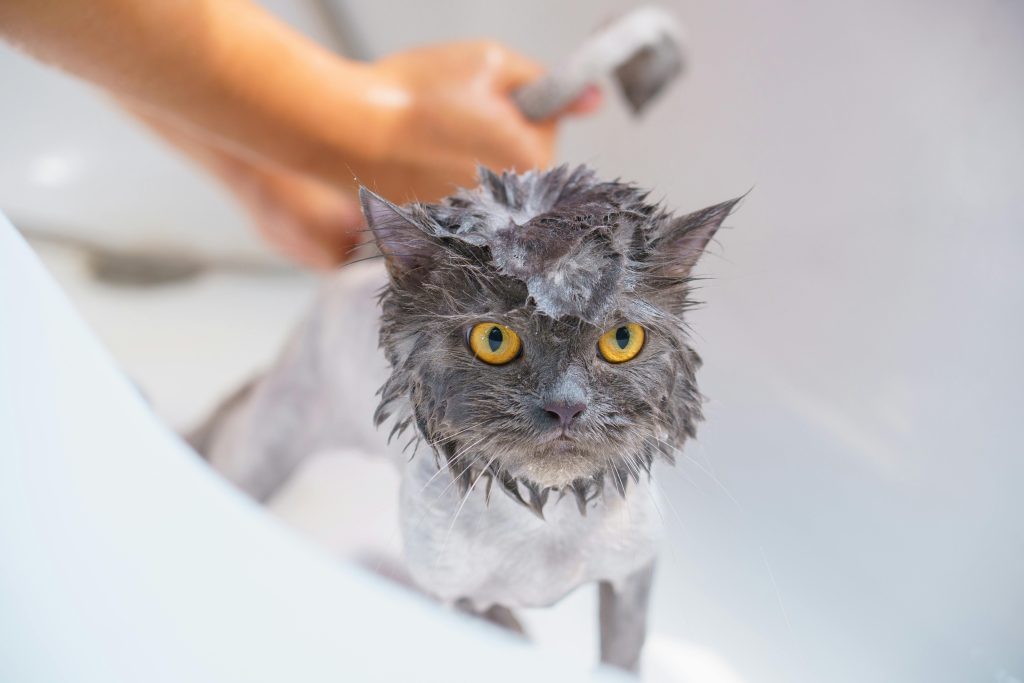
Introducing cats to water and bathing can be a daunting task, especially since many cats naturally dislike water. However, there are effective strategies to make the experience less stressful for both you and your feline friend. Whether you have a kitten or an adult cat, taking a gradual and patient approach can help them become more comfortable with water and even enjoy bath time. Here’s a comprehensive guide on the best ways to introduce cats to water and bathing.
1. Start Early with Kittens
If you have a kitten, it’s the perfect time to start familiarizing them with water. Kittens are generally more adaptable and open to new experiences than adult cats. Begin by gently introducing your kitten to water in a controlled and positive environment.
- Use a damp cloth: Start by wiping your kitten with a damp cloth to simulate the sensation of water on their fur. This can help them get used to the feeling of being wet without the shock of full immersion.
- Create positive associations: Give your kitten treats and praise when they are around water. This helps them associate water with positive experiences rather than fear.
2. Gradual Introduction for Adult Cats
Introducing water to an adult cat requires more patience, especially if they have had a negative experience with water in the past. The key is to move slowly and let your cat set the pace.
- Use shallow water: Start with a small amount of water in the sink or bathtub. Allow your cat to explore at their own pace. Some cats may be curious and dip their paws in the water, while others may take longer to approach.
- Offer treats and rewards: Reward your cat with treats and praise for any positive interaction with water, no matter how small. This reinforcement helps reduce anxiety and builds confidence.
3. Create a Calm and Comfortable Environment
Cats are sensitive to their surroundings, and a calm environment can significantly impact their experience with water.
- Use non-slip mats: Place non-slip mats in the sink or tub to provide your cat with secure footing. Slipping can cause fear and make the experience more stressful.
- Keep the water temperature warm: Make sure the water is lukewarm—not too hot or cold. Cats are more likely to be comfortable with water that is similar to their body temperature.
4. Utilize a Cat-Specific Shampoo
Using the right products is crucial when introducing your cat to bathing. Human shampoos can irritate a cat’s sensitive skin and cause allergic reactions.
- Choose a mild, cat-specific shampoo: Select a shampoo designed for cats to avoid any skin irritation or allergic reactions. Always follow the instructions on the label for the best results.
- Dilute the shampoo: To make the experience less overwhelming, dilute the shampoo with water. This also makes it easier to rinse off, reducing the amount of time your cat spends in the bath.
5. Introduce Bathing Slowly
When it’s time to give your cat a bath, make sure to proceed slowly and calmly.
- Wet your cat gradually: Use a cup or a gentle sprayer to wet your cat slowly, starting from the back and moving towards the head. Avoid getting water in their ears, eyes, and nose.
- Be gentle and calm: Speak softly and calmly to reassure your cat throughout the process. Your demeanor can significantly affect how your cat perceives the bath.
6. Rinse Thoroughly and Dry Gently
Proper rinsing and drying are essential steps in the bathing process. Leftover shampoo can cause skin irritation, and improper drying can lead to discomfort or even illness.
- Rinse thoroughly: Make sure to rinse all shampoo out of your cat’s fur. Leftover shampoo can cause skin problems and make your cat uncomfortable.
- Dry with a soft towel: Gently wrap your cat in a soft, absorbent towel and pat them dry. Avoid using a hairdryer, as the noise and heat can frighten your cat. If your cat tolerates it, you can use a low-heat setting on a pet-specific dryer.
7. Use Water Play as a Positive Reinforcement
Incorporating water play into your cat’s routine can help them feel more comfortable with water.
- Encourage play with water toys: Use floating toys or laser pointers around a shallow basin of water. This can make water seem like a fun and non-threatening element.
- Interactive play sessions: Engage your cat in play sessions that include water to gradually build a positive association with it.
8. Understand Your Cat’s Limits
Not all cats will become comfortable with water, no matter how gentle or gradual the introduction. It’s important to recognize your cat’s limits and not force them into situations that cause extreme stress.
- Observe your cat’s behavior: Pay close attention to how your cat reacts to water. If they seem overly stressed or fearful, it may be best to avoid full baths and stick to spot cleaning with damp cloths.
- Consider alternative grooming methods: For cats that simply cannot tolerate water, consider using waterless shampoos or wipes designed for cats. These products can help keep your cat clean without the stress of a bath.
Conclusion
Introducing cats to water and bathing requires patience, understanding, and the right approach. By starting early with kittens, gradually introducing water to adult cats, creating a calm environment, and using cat-specific products, you can help your cat become more comfortable with water. Remember, every cat is different, and it’s essential to respect their boundaries and adapt your approach based on their comfort level. With time and positive reinforcement, even the most water-averse cat can learn to tolerate, if not enjoy, bath time.