
Health
What Should I Know About Cat Vaccination Schedules?
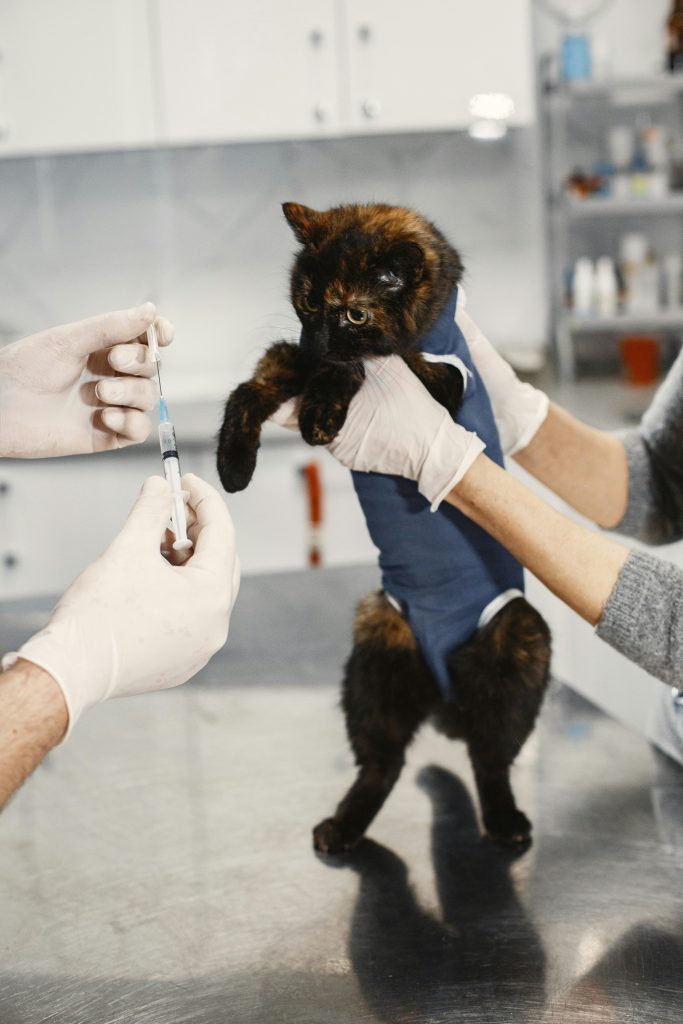
When you bring a new feline friend into your home, one of the most important things to consider is their health and well-being. Among the critical aspects of cat care is understanding the cat vaccination schedule. Vaccinations play a vital role in preventing various diseases that can severely impact your cat’s health. In this article, we will explore the essential information you need to know about cat vaccination schedules to ensure your pet stays healthy and happy.
Why Are Cat Vaccinations Important?
Vaccinations are crucial for preventing infectious diseases that can affect cats. These diseases can range from mild illnesses to severe conditions that may lead to long-term health problems or even death. Vaccinating your cat helps to stimulate their immune system to recognize and fight off specific pathogens effectively. By following a proper vaccination schedule, you not only protect your pet but also contribute to the broader community’s health by reducing the spread of contagious diseases.
Core vs. Non-Core Vaccines
Understanding the difference between core and non-core vaccines is essential for planning your cat’s vaccination schedule.
- Core Vaccines: These are vaccines that are considered essential for all cats, regardless of their lifestyle. Core vaccines protect against highly contagious diseases that are either widespread or pose severe health risks. The core vaccines for cats typically include:
- Feline Panleukopenia (FPV): Also known as feline distemper, this highly contagious viral disease affects a cat’s gastrointestinal system, immune system, and bone marrow.
- Feline Herpesvirus (FHV-1) and Feline Calicivirus (FCV): Both of these viruses contribute to upper respiratory infections in cats, leading to symptoms like sneezing, nasal discharge, and eye infections.
- Rabies: A fatal viral disease that affects the central nervous system. Rabies is also a zoonotic disease, meaning it can be transmitted from animals to humans.
- Non-Core Vaccines: These vaccines are recommended based on a cat’s specific risk factors, such as geographic location, lifestyle, and potential exposure to other cats. Non-core vaccines may include:
- Feline Leukemia Virus (FeLV): This vaccine is recommended for cats that go outdoors or live with other cats, as FeLV can be transmitted through close contact, grooming, or sharing food and water bowls.
- Bordetella: Commonly known as kennel cough, Bordetella is more prevalent in cats that are frequently in contact with other cats, such as in shelters or boarding facilities.
- Chlamydophila felis: This bacterium causes conjunctivitis and respiratory issues. It is usually recommended for cats in multi-cat environments where the risk of infection is higher.
Understanding the Cat Vaccination Schedule
Cats require vaccinations at different stages of their lives to ensure they are protected against various diseases. Here’s a typical cat vaccination schedule to guide you:
- Kitten Vaccination Schedule (6-16 Weeks Old):
- 6-8 Weeks: The first round of core vaccinations, including FPV, FHV-1, and FCV.
- 10-12 Weeks: The second round of core vaccinations.
- 14-16 Weeks: The third and final round of core vaccinations, including the first rabies shot.
- Adult Cat Vaccination Schedule (After 16 Weeks):
- 1 Year: A booster shot for FPV, FHV-1, FCV, and rabies.
- Every 1-3 Years: Depending on the type of vaccine used, booster shots may be required every 1-3 years. Your veterinarian will recommend the appropriate schedule based on your cat’s health and lifestyle.
- Special Considerations:
- Cats that have been adopted from shelters or rescued may need a different vaccination schedule, especially if their vaccination history is unknown.
- For non-core vaccines, consult with your veterinarian to determine if your cat needs additional protection based on their environment and exposure risks.
Common Side Effects of Cat Vaccinations
While vaccinations are generally safe, some cats may experience mild side effects post-vaccination. These can include:
- Lethargy or reduced appetite
- Mild fever
- Swelling or discomfort at the injection site
- Sneezing or nasal discharge, particularly after receiving the FHV-1 or FCV vaccines
Severe reactions are rare but can occur. If your cat shows signs of a severe allergic reaction, such as difficulty breathing, facial swelling, or vomiting, contact your veterinarian immediately.
Keeping Up with Booster Shots
Maintaining up-to-date booster shots is crucial for ongoing protection against diseases. Skipping or delaying vaccinations can put your cat at risk of contracting preventable illnesses. Make sure to keep a record of your cat’s vaccinations and set reminders for upcoming booster shots. Many veterinary clinics offer reminder services to help pet owners stay on schedule.
The Role of the Veterinarian
Your veterinarian is your best resource when it comes to determining the appropriate vaccination schedule for your cat. They can assess your cat’s health, lifestyle, and risk factors to create a personalized vaccination plan. Regular veterinary visits also allow for early detection of any health issues and ensure that your cat remains healthy throughout their life.
Conclusion
Understanding the cat vaccination schedule is a fundamental aspect of responsible pet ownership. By staying informed and adhering to the recommended vaccinations, you protect your cat from potentially life-threatening diseases. Always consult with your veterinarian to ensure your cat receives the appropriate vaccines based on their unique needs. Keeping your cat healthy and vaccinated not only safeguards their well-being but also contributes to a healthier pet community overall.