
Care
Special Needs Cats: How to Provide the Best Care for Disabled or Chronically Ill Felines
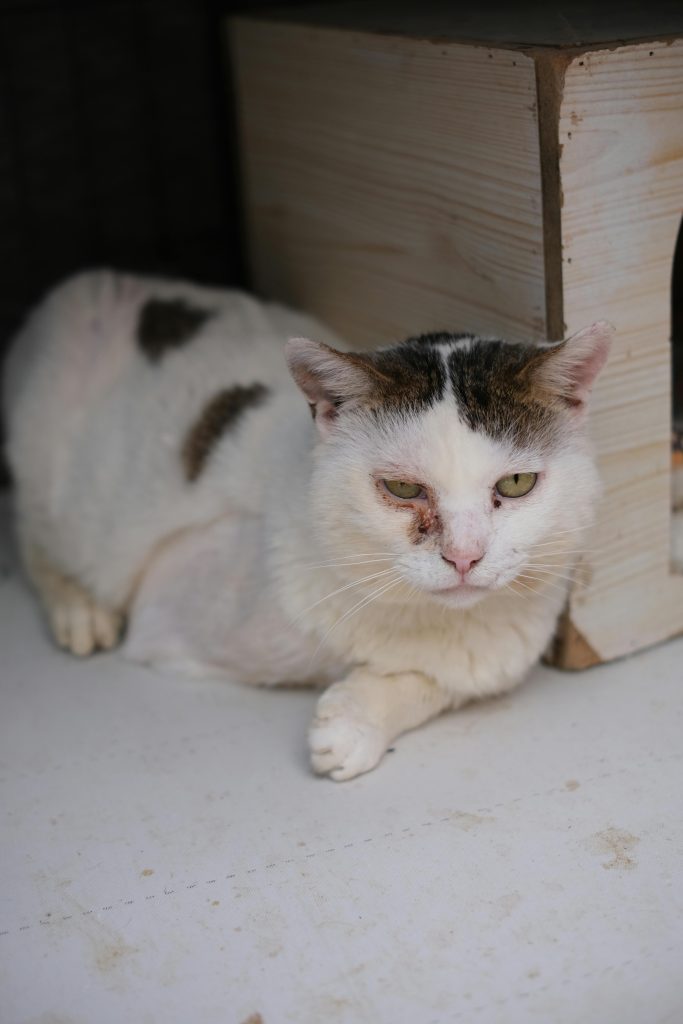
Cats with special needs — whether they are blind, deaf, paralyzed, or living with chronic illness — can lead full and joyful lives with the right support. These cats may require extra patience and adjustments, but they often reward their owners with incredible bonds of trust and love.
This guide explains how to care for cats with disabilities or medical conditions, helping them thrive in a safe and nurturing environment.
1. Understanding Special Needs Cats
Special needs cats may include:
• Blind Cats – Lose vision from birth, injury, or illness.
• Deaf Cats – Lack hearing but compensate with strong visual cues.
• Mobility-Impaired Cats – May use wheelchairs or need ramps due to paralysis or limb deformities.
• Chronically Ill Cats – Conditions like diabetes, kidney disease, or FIV require daily management.
Each cat has unique needs, so individualized care is key.
2. Creating a Safe Environment
For Blind Cats
• Avoid moving furniture frequently.
• Use textured rugs or mats to help them navigate.
• Speak to them before touching to avoid startling.
For Deaf Cats
• Use hand signals or vibrations (like tapping the floor).
• Keep them indoors for safety since they cannot hear traffic.
For Cats with Mobility Issues
• Provide ramps, low-entry litter boxes, and easily accessible food bowls.
• Consider orthopedic bedding for comfort.
3. Medical Care and Monitoring
• Chronically ill cats may need daily medications or injections (e.g., insulin for diabetes).
• Regular vet visits are crucial to monitor progression and adjust treatments.
• Keep a health journal of symptoms, appetite, and medication schedules.
4. Diet and Nutrition
Special needs cats often benefit from tailored diets:
• Diabetic cats: require controlled carbohydrate intake.
• Kidney disease cats: need low-phosphorus diets.
• Paralyzed cats: may require more hydration to prevent urinary infections.
Always consult your veterinarian before making changes.
5. Enrichment and Emotional Well-Being
Special needs cats deserve fun and stimulation, too:
• Interactive toys adapted to their abilities (e.g., scented toys for blind cats).
• Cuddling, grooming, and gentle play to strengthen bonds.
• Social interaction to prevent loneliness.
6. The Human-Animal Bond
Caring for a special needs cat can be challenging but also deeply rewarding. These cats often show extraordinary resilience and affection, creating unique connections with their caregivers.
Conclusion
Special needs cats may require extra care, but they are just as capable of living rich, happy lives. By adapting your home, providing veterinary support, and offering unconditional love, you can give these cats the life they deserve.