
Care
How to Care for an Aging Cat: A Complete Guide for Senior Felines
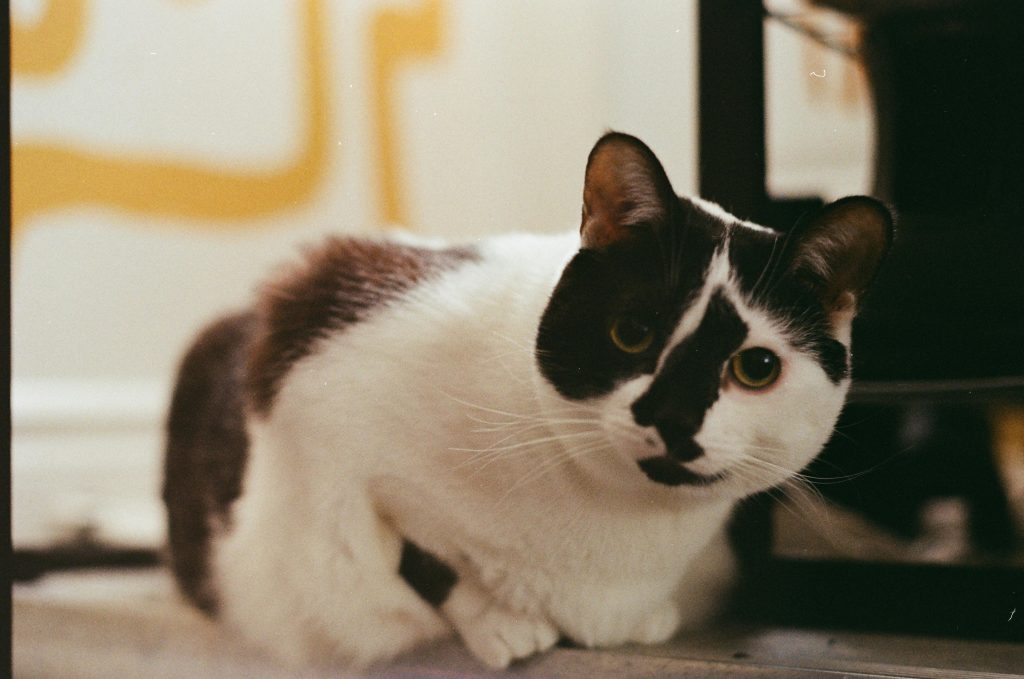
Cats are living longer than ever thanks to better veterinary care, balanced diets, and safer indoor lifestyles. As your cat ages, however, their needs change. Senior cats (typically 10 years and older) require special attention to stay healthy, comfortable, and happy. This guide covers everything you need to know about caring for an aging cat — from nutrition and health checks to comfort and mental stimulation.
1. Understanding the Aging Process in Cats
Cats often hide signs of illness or discomfort, which makes it essential for owners to understand the natural aging process.
• Senior Cats (10–14 years): May begin to slow down, sleep more, and experience reduced mobility.
• Geriatric Cats (15+ years): More likely to face health challenges like arthritis, kidney disease, or dental issues.
Recognizing these changes early can make a big difference in your cat’s quality of life.
2. Nutrition for Senior Cats
Aging cats often need adjusted diets to maintain weight and support their organs.
• Protein: Senior cats still need high-quality protein to maintain muscle mass.
• Calories: Some elderly cats lose weight easily, while others gain due to inactivity. Consult your vet for a tailored diet.
• Hydration: Older cats are prone to kidney problems, so encourage water intake with fountains or wet food.
• Supplements: Omega-3 fatty acids can support joint and brain health.
3. Veterinary Care and Regular Check-Ups
Routine vet visits become more important with age.
• Annual or semi-annual checkups can catch early signs of illness.
• Common tests include bloodwork, urinalysis, and dental exams.
• Early intervention helps manage chronic conditions like hyperthyroidism, kidney disease, or diabetes.
4. Comfort and Home Adjustments
Aging cats may struggle with mobility and comfort.
• Provide soft, warm bedding in quiet areas.
• Use ramps or pet steps to help them access favorite spots.
• Keep litter boxes on the same floor as living spaces, with low sides for easy entry.
• Maintain a consistent routine to reduce stress.
5. Dental Health
Dental disease is common in older cats.
• Regular brushing (if tolerated) helps prevent plaque.
• Dental checkups may include professional cleaning.
• Look for signs of pain: drooling, bad breath, or difficulty eating.
6. Mental Stimulation
Senior cats still need play and enrichment to prevent boredom and cognitive decline.
• Use puzzle feeders and gentle play sessions.
• Interactive toys like wand teasers keep them engaged.
• Provide window perches to stimulate curiosity.
7. Recognizing Signs of Discomfort
Cats are experts at hiding pain. Watch for:
• Reduced activity or hiding
• Changes in appetite
• Excessive grooming or unkempt coat
• Vocalizing more than usual
If you notice these, schedule a vet visit.
Conclusion
Caring for an aging cat requires patience, compassion, and proactive healthcare. With proper diet, regular vet visits, and a comfortable home environment, your senior cat can continue to enjoy life well into their golden years.