
Health
How Can I Create a Balanced Diet for My Cat?
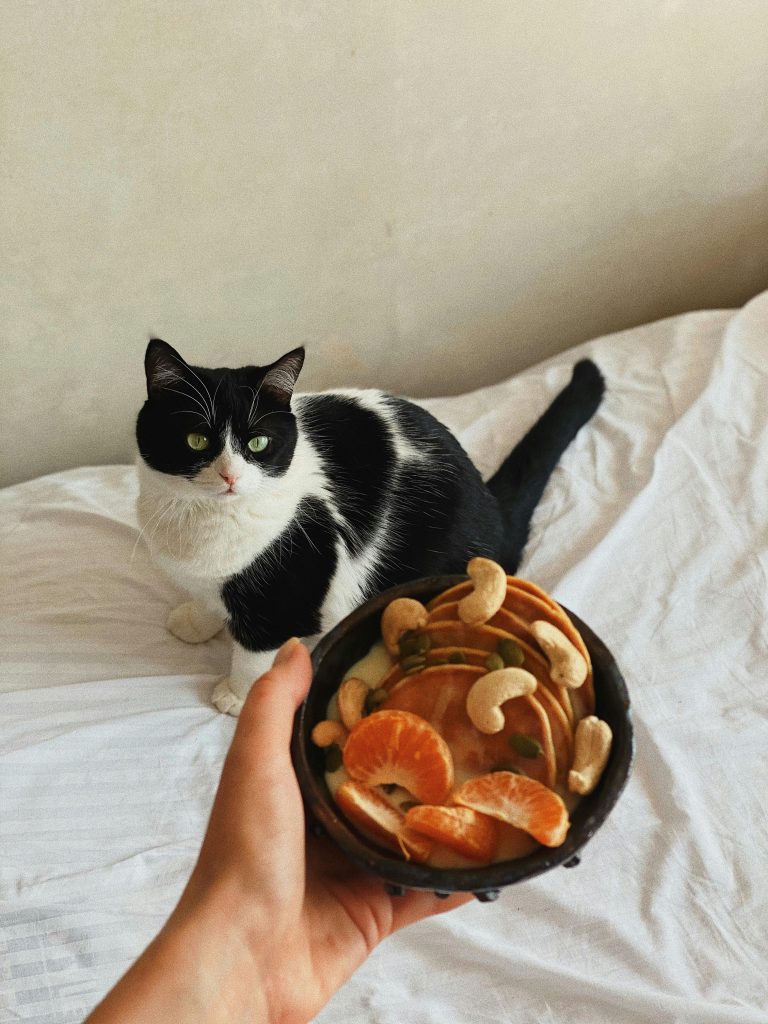
Creating a balanced diet for your cat is crucial for ensuring they lead a healthy and fulfilling life. Just like humans, cats require a mix of essential nutrients to maintain their energy levels, support bodily functions, and prevent health issues. Understanding your cat’s nutritional needs, choosing the right types of food, and knowing how to create a balanced diet can make a significant difference in their overall well-being. In this guide, we’ll explore how to create a balanced diet for your cat, what nutrients are essential, and tips for keeping your feline friend healthy.
Understanding Your Cat’s Nutritional Needs
Cats are obligate carnivores, meaning their bodies are designed to consume primarily animal-based proteins. Unlike omnivores or herbivores, cats have specific dietary requirements that must be met to avoid nutritional deficiencies. Here are some key nutrients your cat needs:
- Protein: Essential for muscle growth, repair, and overall health. High-quality animal proteins, such as chicken, turkey, fish, and beef, should be the cornerstone of your cat’s diet.
- Taurine: An amino acid that is vital for heart health, vision, and reproductive function. Taurine is found in animal tissues, so a diet rich in meat is necessary for your cat.
- Fats: Provide a concentrated source of energy and are essential for absorbing fat-soluble vitamins (A, D, E, K). Omega-3 and omega-6 fatty acids are also crucial for maintaining healthy skin and a shiny coat.
- Vitamins and Minerals: Cats need a variety of vitamins and minerals, including vitamins A, D, E, K, and B-complex vitamins, as well as calcium, phosphorus, and potassium. These nutrients support various bodily functions, from bone health to immune system function.
- Water: While not a nutrient in the traditional sense, water is vital for all cats. Cats often do not drink enough water, so incorporating moisture-rich foods like wet cat food can help keep them hydrated.
Choosing the Right Cat Food
When it comes to choosing cat food, you’ll find a variety of options, including dry food, wet food, and raw or homemade diets. Here’s a breakdown of each type to help you decide what’s best for your cat:
- Dry Food: Often referred to as kibble, dry food is convenient and has a long shelf life. However, it typically contains less moisture than wet food, which may not be ideal for cats who don’t drink much water. Look for high-quality dry foods that list a specific meat source (like chicken or salmon) as the first ingredient.
- Wet Food: Canned cat food has a higher moisture content, which is beneficial for hydration. It also tends to have fewer carbohydrates compared to dry food. Wet food can be an excellent choice for cats who need to increase their water intake or have urinary tract issues.
- Raw or Homemade Diets: Some cat owners opt for raw or homemade diets to have greater control over the ingredients and nutrition. While these diets can be beneficial, they require careful planning to ensure they are nutritionally balanced. Consult with a veterinarian or pet nutritionist before starting a raw or homemade diet to avoid potential health risks.
Creating a Balanced Diet for Your Cat
To create a balanced diet for your cat, consider the following steps:
- Consult with Your Veterinarian: Before making any changes to your cat’s diet, it’s essential to consult with your veterinarian. They can help you determine the best diet based on your cat’s age, weight, health condition, and activity level.
- Choose High-Quality Foods: Not all cat foods are created equal. Look for brands that use high-quality ingredients and avoid fillers, artificial colors, and preservatives. Reading the ingredient list and nutritional information can help you make an informed choice.
- Incorporate a Variety of Foods: Just like humans, cats benefit from a variety of foods. Incorporating different types of protein sources and alternating between dry and wet food can provide a range of nutrients and prevent dietary boredom.
- Monitor Portion Sizes and Feeding Schedule: Overfeeding can lead to obesity, which is a common issue in cats. Follow the recommended portion sizes on the food packaging or as advised by your veterinarian. Establish a regular feeding schedule to help regulate your cat’s metabolism and prevent overeating.
- Add Supplements When Necessary: If your cat has specific health needs or you’re feeding a homemade diet, supplements may be necessary to ensure they’re getting all the required nutrients. Always consult your veterinarian before adding any supplements to your cat’s diet.
Tips for Maintaining a Healthy Diet
- Avoid Human Food: While it can be tempting to share your meals with your cat, many human foods are toxic to cats, including chocolate, onions, garlic, and grapes. Stick to cat-safe treats and foods.
- Keep Fresh Water Available: Always have fresh water available for your cat, especially if they primarily eat dry food. Consider using a cat water fountain to encourage them to drink more.
- Monitor Weight and Health: Regularly weigh your cat and observe any changes in their eating habits, energy levels, or coat condition. These can be signs of dietary issues or health problems.
- Avoid Sudden Diet Changes: If you need to change your cat’s diet, do so gradually over a week or two to prevent digestive upset. Mix the new food with the old food, gradually increasing the amount of the new food.
Conclusion
Creating a balanced diet for your cat is essential for their health and longevity. By understanding their nutritional needs, choosing high-quality foods, and consulting with your veterinarian, you can provide your cat with the best diet possible. Remember, a healthy diet is just one aspect of your cat’s overall well-being, so ensure they also receive regular veterinary care, exercise, and mental stimulation. With the right care and attention, your cat can enjoy a long, happy, and healthy life.